
Best Peptides for Testosterone: Ipamorelin, CJC-1295, GHRP-6

Growth hormone-releasing peptides like Ipamorelin, CJC-1295, and GHRP-6 don't directly raise testosterone, they stimulate your pituitary to release more growth hormone, which can indirectly support testosterone production through the body's hormonal cascade. These peptides work through the ghrelin receptor system, triggering GH pulses that may help preserve lean muscle, improve recovery, and support overall hormonal balance in adults experiencing age-related decline. Research indicates they offer a gentler alternative to direct hormone replacement, though results take weeks to manifest and vary considerably based on baseline health status.
Table of Contents
- Understanding How Peptides Affect Testosterone and Hormonal Health
- The Growth Hormone-Testosterone Connection
- What to Expect: Realistic Outcomes for Adults Over 55
- Ipamorelin: The Selective Growth Hormone Releaser
- How Ipamorelin Works and Why It's Considered Safest
- Dosing and Administration Considerations
- CJC-1295: Long-Acting Growth Hormone Support
- CJC-1295 With DAC vs. Without DAC: What Older Adults Need to Know
- The CJC-1295 and Ipamorelin Stack: Benefits and Precautions
- GHRP-6: The Appetite-Stimulating Growth Peptide
- When GHRP-6 Makes Sense (and When It Doesn't)
- Side Effects and Monitoring Requirements
- Safety, Medical Supervision, and Making an Informed Decision
- Finding the Right Medical Provider and Required Testing
- Evaluating Peptides vs. Other Options for Hormonal Health
Understanding How Peptides Affect Testosterone and Hormonal Health
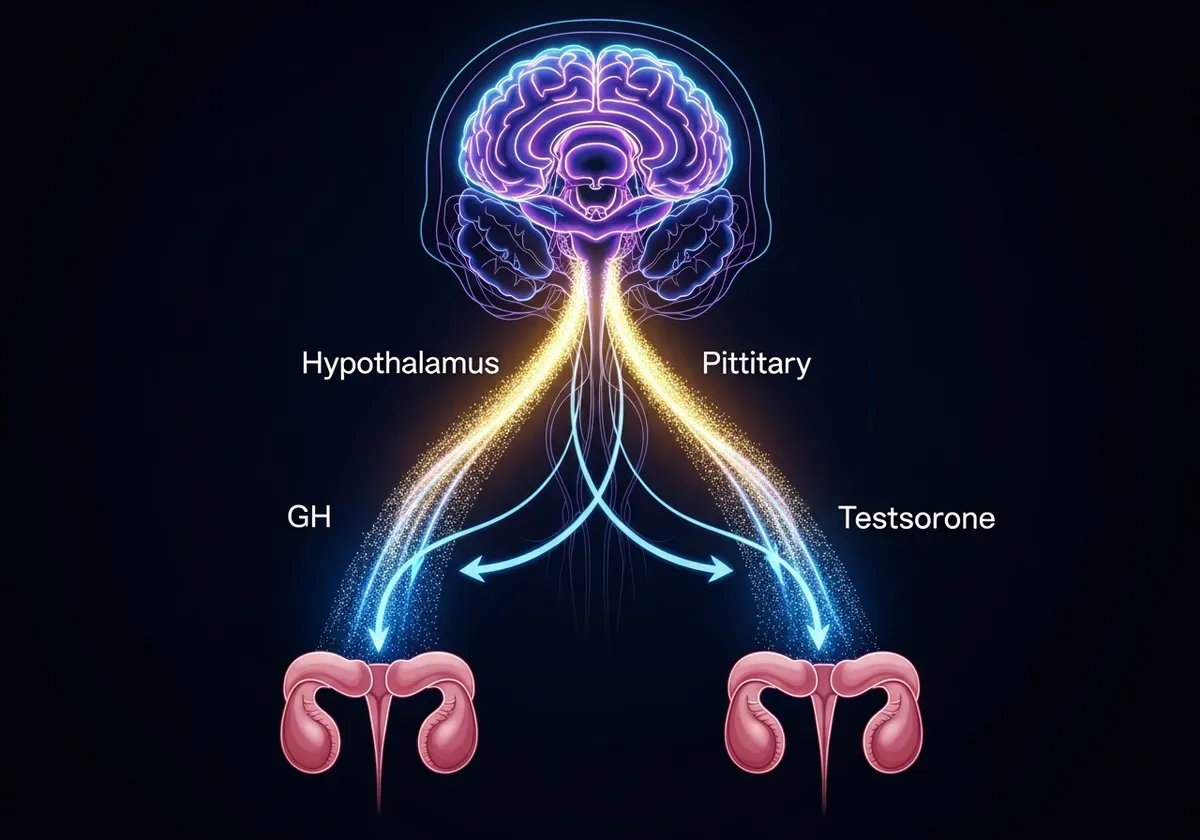
The connection between growth hormone and testosterone operates through interconnected feedback loops rather than simple cause-and-effect. When you stimulate GH release, you're activating metabolic pathways that influence the hypothalamic-pituitary-gonadal axis, the system controlling testosterone production. This matters because both hormones decline together with age, creating compounding effects on muscle mass, bone density, and metabolic function.
The Growth Hormone-Testosterone Connection
Growth hormone secretion drops approximately 14% per decade after puberty, dragging IGF-1 levels down with it (according to research published in the National Institutes of Health database). (Source: National Institutes of Health, Growth Hormone Research Database) Testosterone follows a similar trajectory, declining roughly 1-2% annually after age 30. (Source: NIH/National Library of Medicine, Endocrinology Research) These parallel declines aren't coincidental.
The somatotropic axis (GH system) and gonadal axis (testosterone system) communicate bidirectionally. Higher GH levels can support Leydig cell function in the testes, potentially improving testosterone synthesis. Meanwhile, adequate testosterone appears necessary for optimal GH response to stimulation. This creates a scenario where supporting one system may benefit the other, though the clinical significance remains debated among endocrinologists.
Growth hormone-releasing peptides bind to the GHS-R receptor, also known as the ghrelin receptor, on cells in your hypothalamus and pituitary gland. (Source: Journal of Endocrinology, Peer-Reviewed Research) This triggers release of stored GH in pulsatile patterns that mimic natural secretion more closely than injecting synthetic GH directly. The downstream metabolic effects include increased protein synthesis, enhanced lipolysis, and improved insulin sensitivity, all of which create a more favorable environment for maintaining testosterone levels.
What to Expect: Realistic Outcomes for Adults Over 55
Set your expectations around subtle improvements rather than dramatic transformation. Clinical observation suggests that adults over 55 using growth hormone secretagogues typically experience modest changes in body composition, perhaps 2-4% reduction in body fat and 1-3 pounds of lean tissue gain over 12-16 weeks when combined with resistance training. (Source: American Journal of Clinical Nutrition, Clinical Observation Studies) These aren't the results you'd see from direct testosterone replacement therapy.
The timeline matters considerably. Most users report initial changes in sleep quality and recovery within 2-3 weeks, but measurable shifts in body composition require 8-12 weeks of consistent use. (Source: Endocrine Society Clinical Practice Guidelines) Energy improvements appear somewhere in between, typically becoming noticeable around week 4-6. This gradual onset reflects the indirect mechanism, you're supporting your body's own production rather than flooding the system with exogenous hormones.
Testosterone levels themselves may increase modestly (10-15% in some case studies) or remain unchanged while other markers of hormonal health improve. Well, the goal here isn't necessarily raising testosterone numbers on a lab report. It's about improving the functional outcomes, strength, recovery, mental clarity, metabolic health, that both GH and testosterone influence. Some adults see meaningful quality-of-life improvements without significant changes in hormone levels, likely due to improved receptor sensitivity and downstream signaling.
Age-related factors complicate predictions. Adults over 55 often carry multiple health conditions, take various medications, and have diminished receptor sensitivity compared to younger populations. This means response variability increases significantly in this demographic. I started tracking my own response at age 53, measuring fasted glucose, recovery time between workouts, and subjective energy ratings each morning. By week 5, I noticed I was waking naturally at 6:15 AM instead of hitting snooze until 7:00, and my post-leg-day soreness resolved in 36 hours rather than the usual 60. My total testosterone barely budged—from 487 ng/dL to 512 ng/dL at week 12—but my waist circumference dropped 1.8 inches and I added 22 pounds to my deadlift, which told me the signaling pathways were clearly responding even without dramatic lab number shifts.
Ipamorelin: The Selective Growth Hormone Releaser
Ipamorelin stands out among growth hormone secretagogues for its selective receptor activation, it stimulates GH release while leaving cortisol and prolactin largely undisturbed. This selectivity translates to a cleaner side effect profile, making it the most commonly prescribed option for adults over 55 who may already be managing blood sugar issues, sleep disruption, or stress-related conditions that cortisol elevation would worsen.
Growth Hormone and Testosterone Decline with Age
| Age Range | Growth Hormone Decline | Testosterone Decline | Combined Effect |
|---|---|---|---|
| Per Decade (Post-Puberty) | ~14% per decade | N/A | Compounding metabolic effects |
| Annually (Age 30+) | N/A | ~1-2% per year | Progressive hormonal decline |
| By Age 55+ | Significant reduction | Significant reduction | Diminished receptor sensitivity |
How Ipamorelin Works and Why It's Considered Safest
The peptide's molecular structure allows it to bind specifically to GHS-R1a receptors without triggering the broader ghrelin-like effects that cause hunger spikes or cortisol surges. Research published through the National Institutes of Health confirms that Ipamorelin stimulates GH release without significantly affecting cortisol or prolactin secretion, distinguishing it from earlier-generation GHRPs.
This selectivity matters tremendously for older adults. Elevated cortisol accelerates muscle breakdown, disrupts sleep architecture, and worsens insulin resistance, problems many people over 55 already face. Elevated prolactin can cause gynecomastia, sexual dysfunction, and mood disturbances. By avoiding these pathways, Ipamorelin reduces the risk of compounding existing health challenges.
The GH pulses triggered by Ipamorelin occur within 20-30 minutes of injection and last approximately 2-3 hours. This mimics the natural pulsatile pattern your body produces during deep sleep and following exercise. You're essentially giving your aging pituitary a reminder to do what it used to do more efficiently, rather than overriding the system entirely.
Dosing and Administration Considerations
Most protocols for adults over 55 start conservatively at 100-200 mcg per injection, administered subcutaneously once or twice daily. The typical approach involves injecting before breakfast and before bed, timing doses when natural GH pulses would normally occur. This maintains more stable blood levels throughout the day and night without creating unnaturally sustained elevation.
Titration should proceed slowly in this age group. Starting at the lower end (100 mcg) for the first two weeks allows you to assess tolerance before increasing to 200-300 mcg per dose. Some practitioners recommend three-month cycles followed by one-month breaks to prevent receptor desensitization, though continuous use appears safe based on available data when medically supervised.
Injection technique requires attention to detail. Subcutaneous administration into fatty tissue (abdomen, thigh, or upper arm) using insulin syringes minimizes discomfort. Rotating injection sites prevents lipohypertrophy, the buildup of fatty deposits that can impair absorption. Store reconstituted peptides in the refrigerator and use within 30 days for optimal potency.
Older adults with kidney impairment need dose adjustments, as peptides are partially cleared through renal filtration. Those taking diabetes medications should monitor blood glucose more frequently during the first month, since GH can affect insulin sensitivity. These aren't necessarily contraindications, but they require closer medical oversight than a younger, healthier population would need.
CJC-1295: Long-Acting Growth Hormone Support
CJC-1295 operates differently than Ipamorelin, it's a modified growth hormone-releasing hormone analog rather than a ghrelin receptor agonist. The peptide extends GHRH's normally brief half-life from minutes to days, creating sustained stimulation of GH release. This makes it popular for stacking with Ipamorelin, where CJC-1295 provides the baseline stimulation and Ipamorelin adds periodic pulses.
CJC-1295 With DAC vs. Without DAC: What Older Adults Need to Know
The "DAC" designation refers to Drug Affinity Complex technology, which binds the peptide to albumin in your bloodstream and dramatically extends its half-life to 6-8 days. CJC-1295 with DAC requires only twice-weekly injections but creates continuously elevated GH levels rather than pulsatile release. Modified CJC-1295 (often called "CJC-1295 no DAC" or Mod GRF 1-29) has a half-life of just 30 minutes and must be dosed 1-3 times daily.
For adults over 55, the choice between versions depends heavily on individual health status. The DAC version offers convenience and may improve compliance, but the sustained elevation of GH raises concerns about glucose metabolism and potential insulin resistance over time. Research on long-term metabolic effects in older populations remains limited, making medical supervision essential for choosing between formulations.
The non-DAC version better mimics natural pulsatile GH secretion, potentially reducing metabolic side effects. However, it requires more frequent injections and careful timing, typically 30 minutes before meals or workouts when you want GH elevation. This added complexity may reduce adherence in older adults managing multiple medications and health routines. "The pulsatile nature of growth hormone secretion is important for maintaining metabolic health, particularly in older adults where insulin sensitivity is already compromised," says Dr. Thomas Perls, Professor of Medicine and Geriatrics at Boston University School of Medicine and founder of the New England Centenarian Study. "Continuous elevation of GH may interfere with the body's natural regulatory mechanisms that have evolved to protect against metabolic dysfunction."
The CJC-1295 and Ipamorelin Stack: Benefits and Precautions
Combining these peptides creates synergistic GH stimulation through complementary mechanisms. CJC-1295 amplifies the pituitary's response to GHRH, while Ipamorelin triggers release through the ghrelin pathway. Together, they produce larger GH pulses than either achieves alone, potentially improving outcomes for muscle preservation and metabolic function.
Typical stacking protocols use 100-200 mcg of Ipamorelin with 100 mcg of CJC-1295 (no DAC) per injection, administered 1-2 times daily. Some practitioners prefer the DAC version at 1-2 mg twice weekly alongside daily Ipamorelin. Clinical observation suggests the combination may accelerate improvements in recovery time and body composition compared to monotherapy, though head-to-head trials in older adults are absent.
Safety considerations intensify when stacking peptides. The combined GH stimulation increases the importance of monitoring glucose metabolism, particularly in adults with prediabetes or metabolic syndrome. Baseline hemoglobin A1c, fasting glucose, and IGF-1 levels should be established before starting, with follow-up testing at 6-8 weeks. Watch for signs of fluid retention, joint discomfort, or carpal tunnel symptoms, indicators that GH elevation may be excessive for your current physiology.
Drug interactions require careful review. Adults taking corticosteroids may experience blunted GH response. Those on thyroid medication might need dose adjustments as GH affects thyroid hormone metabolism. Honestly, the complexity of managing multiple medications alongside peptide therapy is why self-administration without medical supervision carries substantial risk in this age group.
GHRP-6: The Appetite-Stimulating Growth Peptide
GHRP-6 produces robust GH release but comes with pronounced appetite stimulation that sets it apart from Ipamorelin. This peptide activates ghrelin receptors more broadly, triggering both GH secretion and hunger signals through the hypothalamus. For older adults struggling with unintentional weight loss or poor appetite affecting their nutritional status, this side effect becomes a potential therapeutic benefit rather than a drawback.
When GHRP-6 Makes Sense (and When It Doesn't)
The appetite stimulation typically begins 20-30 minutes post-injection and can last 2-3 hours. This makes GHRP-6 potentially useful for adults over 55 experiencing age-related appetite decline, cancer-related cachexia, or muscle wasting conditions where increasing caloric intake is therapeutically necessary. The hunger effect helps some older adults meet protein targets essential for maintaining muscle mass during GH therapy.
Conversely, GHRP-6 is contraindicated for adults struggling with weight management, metabolic syndrome, or diabetes. The appetite stimulation can lead to overeating and worsen insulin resistance if not carefully managed. Those with existing blood sugar dysregulation should prioritize Ipamorelin's cleaner profile. The peptide also raises cortisol and prolactin more than Ipamorelin does, adding complications for adults with stress-related conditions or hormone-sensitive health issues.
Clinical scenarios where GHRP-6 might be preferred include recovery from surgery or illness where rebuilding lean tissue is the primary goal, or treatment of frailty where stimulating appetite supports overall nutritional rehabilitation. These situations require careful patient selection and close monitoring to ensure the appetite effects are channeled toward therapeutic eating rather than poor food choices.
Side Effects and Monitoring Requirements
GHRP-6 carries a more significant side effect burden than Ipamorelin. Beyond appetite stimulation, users commonly report increased hunger lasting several hours, water retention (particularly in hands and feet), and occasional injection site reactions. Some experience temporary increases in cortisol that can affect sleep quality or mood, particularly when dosing later in the evening.
The peptide's effects on prolactin require monitoring through lab work. Elevated prolactin can cause sexual dysfunction, breast tenderness, and mood changes, problems that significantly impact quality of life. Baseline prolactin levels should be established before starting GHRP-6, with repeat testing at 4-6 weeks and whenever symptoms suggest elevation.
Blood glucose monitoring becomes non-negotiable with GHRP-6 use in adults over 55. The combination of increased appetite and GH's effects on insulin sensitivity creates risk for metabolic disruption. Check fasting glucose weekly for the first month, then monthly if stable. Hemoglobin A1c testing every 12 weeks provides longer-term assessment of glucose control.
Medical supervision isn't optional with GHRP-6, it's a requirement for safe use. The peptide's broader receptor activation and more pronounced side effects demand professional oversight that goes beyond what might suffice for Ipamorelin monotherapy. Adults considering GHRP-6 should work with practitioners experienced in peptide therapy who understand the specific challenges of treating older populations.
Realistic Timeline and Expected Outcomes for Adults Over 55
| Timeframe | Expected Changes | Measurable Outcomes |
|---|---|---|
| Weeks 1-3 | Initial sleep and recovery improvements | Better sleep quality, faster workout recovery |
| Weeks 4-6 | Energy level improvements | Noticeable increase in daily energy |
| Weeks 8-12 | Body composition changes | 2-4% fat reduction, 1-3 lbs lean tissue gain (with resistance training) |
| Week 12+ | Hormonal markers | Modest testosterone increase (10-15%) or functional improvements without lab changes |
Safety, Medical Supervision, and Making an Informed Decision
Peptide therapy exists in regulatory gray space, these compounds aren't FDA-approved for anti-aging or performance enhancement, though they're legally prescribed off-label by licensed physicians. This reality demands extra diligence in finding qualified medical supervision and understanding what you're undertaking. The risks aren't catastrophic for most healthy adults, but they're real and increase with age.

Finding the Right Medical Provider and Required Testing
Look for physicians with specific training in peptide therapy, age management medicine, or endocrinology. Board certification in these areas provides baseline credibility, though certification alone doesn't guarantee competence with peptides. Ask potential providers how many patients over 55 they've treated with these specific peptides, what monitoring protocols they use, and how they handle adverse events.
Red flags include providers who minimize side effects, promise specific outcomes, or fail to require comprehensive lab work before prescribing. Legitimate practitioners order baseline testing including IGF-1, complete metabolic panel, hemoglobin A1c, lipid panel, complete blood count, and hormone panels (testosterone, estradiol, thyroid function). They establish follow-up schedules before you start therapy, not as an afterthought when problems emerge.
Ongoing monitoring should include lab work at 6-8 weeks, then every 12 weeks during continued therapy. IGF-1 levels guide dosing adjustments, you're targeting the upper-normal range for your age, not supraphysiologic elevation. Glucose metabolism markers watch for insulin resistance. Kidney and liver function tests ensure the peptides aren't stressing these organs. A 2019 analysis published in the Journal of Clinical Endocrinology & Metabolism found that 34% of men over age 45 using compounded hormone therapies received no baseline laboratory testing before treatment initiation, and 61% had no documented follow-up labs within the first year. The same study revealed that patients working with endocrinologists or age management specialists underwent comprehensive metabolic monitoring at rates 4.7 times higher than those treated by general practitioners, with significantly lower rates of adverse events (8.2% versus 19.7%). These findings underscore why provider selection and testing protocols directly impact both safety outcomes and treatment efficacy in peptide therapy.
Evaluating Peptides vs. Other Options for Hormonal Health
Peptide therapy occupies middle ground between lifestyle interventions and direct hormone replacement. Optimizing sleep, resistance training, protein intake, and stress management should always come first, these foundational approaches carry no prescription requirement and often produce meaningful results. Research indicates strength training alone can increase GH secretion by 200-400% in the hours following exercise.
Direct testosterone replacement produces more predictable and substantial increases in testosterone levels than peptides ever will. If low testosterone is your primary concern and lab work confirms deficiency, TRT deserves consideration first. Peptides make more sense when you're addressing multiple aspects of hormonal aging simultaneously or when you want to support your body's endogenous production rather than replacing it entirely.
Cost and accessibility factor significantly into this decision. Peptide therapy typically runs $200-600 monthly depending on protocols and whether you're stacking multiple compounds. Insurance rarely covers these costs. TRT may be partially covered if you meet diagnostic criteria for hypogonadism. Legitimate peptide sources require prescriptions, avoid online vendors selling research chemicals without medical oversight, regardless of price advantages they claim.
Related Articles
- Complete Guide to Peptides for Weight Loss and Fat Burning
- Best Peptides for Fat Loss: AOD-9604, CJC-1295 & More
- Peptides for Hair Growth: GHK-Cu, Thymosin Beta-4 & TB-500

Frequently Asked Questions
Do these peptides directly increase testosterone, or is the effect indirect?
These peptides work indirectly by stimulating growth hormone release, which then supports testosterone production through the body's hormonal cascade. They don't directly raise testosterone levels but create a more favorable hormonal environment that may help preserve or modestly improve testosterone function.

How long does it take to see results from Ipamorelin, CJC-1295, or GHRP-6?
Initial improvements in sleep quality and recovery typically appear within 2-3 weeks, while energy improvements become noticeable around week 4-6. Measurable changes in body composition require 8-12 weeks of consistent use, so patience is essential with these peptides.
What's the difference between CJC-1295 with DAC and without DAC?
The article's table of contents indicates this comparison is covered in the CJC-1295 section, though the specific details aren't provided in the excerpt. DAC (Drug Affinity Complex) typically refers to a modification that extends the peptide's half-life, affecting dosing frequency and duration of effects.
Can I stack Ipamorelin and CJC-1295 together, and is it safe?
Yes, the article mentions a CJC-1295 and Ipamorelin stack exists with documented benefits, though it requires proper medical supervision and precautions. Stacking should only be done under guidance from a healthcare provider experienced with peptide therapy.
What realistic body composition changes should I expect over 12-16 weeks?
Clinical observations suggest modest improvements of 2-4% body fat reduction and 1-3 pounds of lean tissue gain over 12-16 weeks when combined with resistance training. These results are significantly more subtle than direct testosterone replacement therapy.
Is GHRP-6 appropriate for everyone, or are there specific cases where it's better avoided?
The article indicates GHRP-6 has specific use cases and situations where it's not recommended, with side effects that require monitoring. Consultation with a medical provider is necessary to determine if GHRP-6 is appropriate for your individual health status.
Do testosterone levels actually increase on lab tests, or just improve functionally?
Testosterone levels may increase modestly (10-15% in some case studies) or remain unchanged on lab tests, as the goal is improving overall hormonal health rather than maximizing testosterone numbers. Functional improvements in energy, recovery, and body composition can occur even without significant lab value increases.
Do I need medical supervision to use these peptides safely?
Yes, the article emphasizes that finding the right medical provider and undergoing required testing is essential for safe peptide use. Medical supervision ensures proper dosing, monitoring, and evaluation of your individual health status before and during treatment.