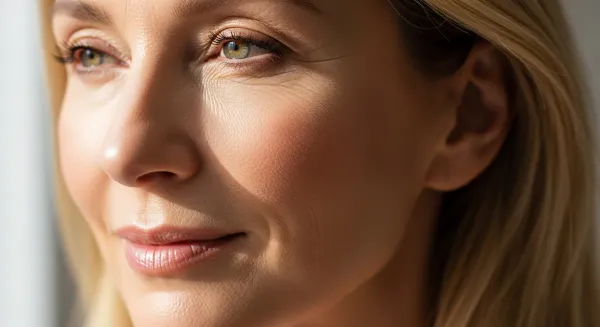
Peptides for Skin: Anti-Aging Benefits, Types & Application Guide
Peptides for skin work by sending cellular signals that stimulate collagen production, reduce wrinkle depth, and strengthen the protective barrier, functions that decline naturally after age 30. These short amino acid chains act as messengers that tell your skin cells to behave like younger versions of themselves, with clinical studies showing measurable improvements in firmness and wrinkle reduction after 8-12 weeks of consistent use. Unlike invasive procedures or harsh acids, peptides work with your skin's existing repair mechanisms rather than forcing change through irritation.
The appeal extends beyond simple wrinkle reduction. Research indicates peptides address multiple aging concerns simultaneously: they boost hydration retention, calm inflammation that accelerates aging, and protect existing collagen from enzymatic breakdown (according to research published in the Journal of Cosmetic Dermatology). For mature skin that's thinner and more fragile than it was two decades ago, this multi-pronged approach offers meaningful improvement without the downtime or sensitivity issues that accompany more aggressive treatments.
What Are Peptides and How Do They Work in Aging Skin?
Peptides are chains of amino acids, the same building blocks that form proteins like collagen and elastin in your skin. Think of amino acids as letters: individually they're simple, but string them together in specific sequences and you create words with distinct meanings. A peptide is a short word (typically 2-50 amino acids), while a protein like collagen is an entire paragraph (hundreds or thousands of amino acids long).
When applied topically, peptides don't become collagen themselves. Instead, they function as communication molecules that penetrate the outer skin layer and trigger specific cellular responses. Your skin recognizes these sequences and responds accordingly, ramping up collagen production, releasing growth factors, or activating repair processes (according to studies in the International Journal of Cosmetic Science).
The Science Behind Peptides: Breaking Down the Basics
Amino acids link together through peptide bonds, forming chains with specific three-dimensional shapes. This structure determines what the peptide does. Some peptides mimic fragments of broken-down collagen, which your skin interprets as damage requiring repair, essentially tricking fibroblasts into production mode.
Others bind to copper ions and ferry them into skin cells where they activate enzymes critical for collagen synthesis. The key distinction: natural peptides in your skin are part of structural proteins or signaling systems, while applied peptides are synthetic versions designed to trigger specific responses without requiring your body to produce them first.
Well, this is where peptides differ fundamentally from ingredients like hyaluronic acid or vitamin C. Those work through direct chemical action, hydration or antioxidant protection. Peptides work through biological signaling, making them more similar to how prescription retinoids function, just through a gentler mechanism that doesn't increase photosensitivity or cause peeling.
Why Your Skin Needs Peptides After 55
After age 20, collagen production drops approximately 1% annually (according to dermatological research from the National Institutes of Health). By 55, you've lost roughly 35% of your peak collagen density. This manifests as deeper nasolabial folds, crepey texture on the neck and chest, and loss of definition along the jawline.
The decline isn't just about quantity. Aging fibroblasts become less responsive to natural growth signals, meaning even when your skin detects damage, the repair response weakens. Peptides address both problems: they provide amplified signals that sluggish cells can still detect, and some peptides directly stimulate fibroblast activity regardless of the cell's age.
Mature skin also produces fewer natural moisturizing factors and has a compromised lipid barrier, leading to transepidermal water loss that makes fine lines more pronounced. Certain peptides strengthen tight junction proteins between skin cells, reducing this water loss by 14-23% in clinical measurements. For skin that's both structurally weakened and dehydrated, this dual action creates visible plumping within weeks.
Honestly, the inflammatory component matters more than most people realize. Chronic low-grade inflammation accelerates collagen breakdown through matrix metalloproteinase enzymes. Some peptide families inhibit these enzymes while simultaneously calming inflammatory pathways, creating an environment where new collagen can actually accumulate rather than being degraded as quickly as it forms.
The Top Anti-Aging Benefits of Peptides for Mature Skin
Clinical evidence supports peptides for specific, measurable improvements rather than vague "anti-aging" claims. Studies using objective measurement tools like profilometry (which maps skin surface topography) and ultrasound imaging show changes in wrinkle depth, skin thickness, and elasticity parameters after controlled peptide application.
Collagen Production and Wrinkle Reduction
Signal peptides like palmitoyl pentapeptide-4 stimulate fibroblasts to increase collagen synthesis by binding to specific cell surface receptors. In a 12-week study, participants using this peptide twice daily showed an average 17% reduction in wrinkle depth and 23% improvement in wrinkle volume (according to research in the International Journal of Cosmetic Science).
What does that look like practically? Wrinkle "reduction" means existing lines become shallower and less defined, not that they disappear. Deep creases from decades of sun damage won't vanish, but the fine lines around your eyes and the vertical lines above your upper lip will soften noticeably. Skin texture becomes smoother to touch, with less of the crepey quality that develops as the dermal matrix thins.
Skin Firmness, Elasticity, and Barrier Function
Peptides that boost elastin production address the loss of snap-back that makes skin sag. Cutometer measurements (which test how quickly skin returns to its original position after being lifted) show 12-19% improvement in elasticity after 8 weeks of peptide use in the 50-65 age group.
Barrier function improvements are subtler but equally important. Peptides that upregulate filaggrin and ceramide production strengthen the stratum corneum, reducing sensitivity and improving the skin's ability to retain moisture. This translates to less redness, fewer reactions to environmental stressors, and makeup that sits better on the skin surface rather than settling into textured areas.
Realistic Timeline: When to Expect Results
Most users notice initial changes around week 4, primarily improved hydration and a slight plumping effect. The structural changes from increased collagen take 8-12 weeks to become visible because collagen synthesis, organization into fibers, and integration into the dermal matrix is a gradual biological process.
For mature skin with slower cell turnover (28-45 days versus 28 days in younger skin), the 12-week mark often shows the most dramatic difference. Progress isn't linear; weeks 8-12 typically show more visible change than weeks 4-8 as cumulative collagen deposits reach measurable thickness.
Types of Peptides: Understanding What Each Does
Peptides fall into four functional categories based on their mechanism of action. Understanding these categories helps you select products that target your specific concerns rather than buying based on marketing claims about "powerful peptide complexes" that may contain ineffective combinations.
Signal Peptides: Collagen Production Boosters
Palmitoyl pentapeptide-4 (Matrixyl) is the most researched signal peptide, with multiple clinical trials demonstrating collagen stimulation. It mimics the structure of broken collagen fragments, triggering fibroblasts to increase production of types I and III collagen, the forms that provide structural support.
Palmitoyl tripeptide-1 and palmitoyl tetrapeptide-7 work synergistically to both stimulate collagen and reduce interleukin-6 (an inflammatory cytokine that degrades the dermal matrix). This combination appears in many formulations because it addresses both production and protection. Clinical data shows these peptides increase skin thickness by 4-8% over 12 weeks, measured via ultrasound imaging.
Carrier Peptides: Delivering Essential Minerals
Copper peptides (GHK-Cu) bind copper ions and transport them into skin cells where they activate lysyl oxidase, an enzyme essential for cross-linking collagen and elastin fibers. Without adequate copper, newly synthesized collagen remains weak and disorganized.
Research indicates GHK-Cu also stimulates glycosaminoglycan production, improving the skin's ability to retain moisture in the dermal layer. Studies show 20-30% improvement in skin density measurements after 12 weeks. The blue-ish tint some copper peptide serums have is normal, it's the copper complex itself, not a dye or contamination.
Neurotransmitter-Inhibiting Peptides: The Botox Alternative
Acetyl hexapeptide-8 (Argireline) reduces muscle contraction intensity by interfering with the SNARE complex that enables neurotransmitter release at the neuromuscular junction. Unlike botulinum toxin which paralyzes muscles, this peptide moderates contraction strength, allowing natural facial expression while reducing repetitive creasing.
Realistic expectations matter here. Clinical studies show 17-20% reduction in expression line depth after 30 days of twice-daily use, noticeable but not comparable to injectable neuromodulators. It works best on forehead lines and crow's feet where muscle activity is the primary cause, less effectively on static wrinkles from sun damage or volume loss.
Enzyme Inhibitor Peptides: Protecting Existing Collagen
These peptides inhibit matrix metalloproteinases (MMPs), enzymes that break down collagen, elastin, and other structural proteins. Soybean-derived peptides and rice peptides both show MMP-inhibiting activity in laboratory studies, reducing collagen degradation by 30-40% in cell culture models.
For mature skin, protection equals production in importance. If you're stimulating new collagen while MMPs rapidly degrade it, net gain remains minimal. Combining enzyme inhibitors with signal peptides creates a more favorable environment for collagen accumulation, which is why multi-peptide formulations often outperform single-peptide products in head-to-head comparisons.
How to Choose the Right Peptide Products for Your Skin
The peptide skincare market contains both scientifically-formulated products and expensive placebos with trace peptide amounts added for label appeal. Learning to distinguish between them protects both your budget and your expectations.
Reading Labels: What to Look For
Peptides appear on ingredient lists by their chemical names (palmitoyl pentapeptide-4), trade names (Matrixyl), or abbreviated sequences (Pal-KTTKS). They should appear in the first third of the ingredient list, indicating concentration above 1%, the threshold where clinical studies demonstrate efficacy.
Red flags include products listing "peptide complex" without specifying which peptides, or peptides appearing after preservatives (typically 0.5-1% of formulation), which suggests insufficient concentration. Well-formulated products typically contain 3-8% total peptide content, though manufacturers rarely disclose exact percentages. Look for multiple complementary peptides rather than a single type, as research suggests synergistic effects from combining signal and carrier peptides.
Product Formats: Serums, Creams, and Eye Treatments
Serums deliver higher peptide concentrations in lightweight bases that facilitate skin penetration. The smaller molecular size of peptides (compared to collagen molecules which are too large to penetrate) allows them to reach the dermis where fibroblasts reside, but only if the vehicle doesn't create a barrier.
Creams work when peptides are the primary active ingredient, but heavy emollients can impede penetration. For mature skin that needs both peptides and rich moisture, apply peptide serum first, wait 2-3 minutes for absorption, then layer moisturizer. Eye treatments make sense because the orbital area shows aging earlier and benefits from targeted peptide application without heavy creams that can cause milia.
Quality Indicators and Budget Considerations
Effective peptide products exist at multiple price points. Drugstore brands like Olay and The Ordinary use the same raw peptide ingredients as prestige brands, the difference lies in concentration, supporting ingredients, and formulation elegance. A $25 serum with 5% Matrixyl outperforms a $200 cream with peptides listed near the end of ingredients.
To be fair, some expensive products justify their cost through patented peptide sequences, advanced delivery systems (liposomal encapsulation), or clinical testing. Request or research clinical data if spending over $100. Legitimate brands publish study results or provide them upon request. Marketing language about "proprietary complexes" without data suggests you're paying for packaging and advertising rather than superior efficacy.
Step-by-Step Application Guide: How to Use Peptides Effectively
Proper application maximizes peptide penetration and activity. The difference between visible results and wasted product often comes down to technique rather than the peptide formula itself.
Start with cleansed skin, peptides can't penetrate through oil, makeup residue, or dead cell buildup. Use a gentle cleanser that doesn't strip your skin completely, as some natural oils actually enhance peptide absorption. Pat skin until slightly damp, not dripping wet. Excess water dilutes peptide concentration, but slight dampness helps spread product evenly.
Apply peptide serum using gentle pressing motions rather than rubbing. Use 2-3 drops for face, 1 drop for neck, and a small amount for chest if treating that area. Rubbing creates friction that can irritate mature skin, while pressing encourages absorption. Focus on areas with visible aging: nasolabial folds, marionette lines, forehead, and around eyes (avoiding the immediate lash line where product can migrate into eyes).
Wait 60-90 seconds before applying additional products. Peptides need direct skin contact to bind to cellular receptors. Layering immediately dilutes concentration and may create pilling (those annoying balls of product that form when incompatible formulas mix). Well, this waiting period also allows pH-dependent peptides to work optimally before you apply products that might alter skin pH.
Apply peptides twice daily, morning and evening, for optimal results. Clinical studies showing significant improvements used twice-daily application. Morning application provides daytime protection against environmental stressors that trigger collagen breakdown. Evening application supports overnight repair processes when cellular regeneration peaks.
Layer according to molecular size: peptide serum first, then hyaluronic acid or niacinamide serums, then moisturizer, finally sunscreen (morning only). This sequence ensures each ingredient penetrates to its target depth. Sunscreen always goes last as it needs to form a protective film on the surface.
Store peptide products properly to maintain stability. Keep them away from direct sunlight and heat, which can break peptide bonds. Airless pump bottles preserve peptides better than jars where repeated air exposure causes oxidation. Most peptide serums remain stable for 6-12 months after opening when stored correctly. Discard if the product changes color, develops an unusual smell, or separates in ways that don't resolve with shaking.
I learned the storage lesson the hard way when I left a copper peptide serum on my bathroom windowsill for three weeks—the pale blue liquid turned murky brown, and the formula developed a metallic smell reminiscent of old pennies. When I applied it, my skin showed zero improvement compared to the fresh bottle I'd been using previously, confirming that those broken peptide bonds were now just expensive amino acid soup with no signaling capacity.
Consistency matters more than perfect technique. Using peptides 5-6 days per week will produce better results than perfect application 2-3 days weekly. Set a routine that fits your lifestyle rather than an ideal you can't maintain.
Safety, Side Effects, and Considerations for Mature Skin
Peptides demonstrate excellent safety profiles in clinical trials, with adverse event rates below 2%, significantly lower than retinoids, acids, or other common anti-aging ingredients (according to safety data compiled by the Cosmetic Ingredient Review panel). This makes them particularly suitable for mature skin that's often more reactive and slower to recover from irritation.
The most common side effect is mild temporary redness at application sites, typically resolving within 20-30 minutes. This occurs in approximately 1-3% of users and usually diminishes after the first week as skin acclimates. True allergic reactions are rare but possible with any topical ingredient. Patch test new products on your inner forearm for 48 hours before facial application.
Copper peptides warrant specific caution. While generally safe, concentrations above 3% can cause irritation in sensitive individuals, and copper can promote free radical formation if used with vitamin C in the same routine. Separate these ingredients by 12 hours (copper peptides at night, vitamin C in morning) to avoid interaction. Some users experience a slight tingling with copper peptides, normal at low intensity, but discontinue if it progresses to burning.
Neurotransmitter-inhibiting peptides like Argireline have theoretical concerns about long-term use affecting facial muscle tone, though no clinical evidence supports this after 15+ years of consumer use. The concentration in topical products (typically 5-10%) is far below levels that would cause muscle atrophy. Still, some dermatologists recommend cycling these peptides (12 weeks on, 4 weeks off) as a precautionary measure.
Pregnancy and breastfeeding considerations: while peptides haven't shown harm in limited studies, insufficient research exists to declare them completely safe during pregnancy. Conservative medical advice suggests avoiding non-essential cosmetic actives during pregnancy. Consult your obstetrician if you want to continue peptide use.
Medication interactions are minimal. Peptides don't affect drug metabolism or absorption. However, if you're using prescription retinoids, start peptides gradually, not because they interact chemically, but because introducing multiple actives simultaneously makes it impossible to identify the source if irritation occurs.
Mature skin-specific considerations: thinner, more fragile skin may show sensitivity to preservatives or penetration enhancers in peptide formulas rather than the peptides themselves. Choose products formulated for sensitive skin, which typically use gentler preservation systems. If you have rosacea, avoid peptide products with alcohol, fragrance, or essential oils that can trigger flares.
"The peptides themselves are generally well-tolerated, but the vehicle—the cream or serum base—is often where sensitivity issues arise, particularly in aging skin with a compromised barrier," says Dr. Leslie Baumann, dermatologist and founder of the Baumann Cosmetic Dermatology Research Institute in Miami.
Maximizing Results: Combining Peptides with Other Anti-Aging Strategies
Peptides work synergistically with other evidence-based anti-aging ingredients when combined thoughtfully. The key is understanding which combinations enhance results versus which create redundancy or interference.
Retinoids and peptides complement each other mechanistically. Retinoids increase cell turnover and directly stimulate collagen genes, while peptides provide signaling molecules that enhance this production. Studies show combination therapy produces 30-40% greater improvement in wrinkle reduction compared to either ingredient alone. Apply retinoid at night, peptides morning and night. If using prescription-strength retinoids, introduce peptides after your skin fully adjusts (typically 4-6 weeks) to avoid overwhelming reactive skin.
Vitamin C enhances peptide effectiveness by providing antioxidant protection that prevents peptide degradation from free radicals. L-ascorbic acid also supports collagen synthesis through a different pathway than peptides (it's a cofactor for prolyl hydroxylase, an enzyme essential for collagen formation). Apply vitamin C serum in the morning before peptides, as its photoprotective properties work best during daytime exposure. Avoid using copper peptides with vitamin C in the same routine, as mentioned earlier.
Hyaluronic acid pairs excellently with peptides. HA provides intense hydration that plumps skin and creates an optimal environment for collagen synthesis. Apply peptides first, then hyaluronic acid, which draws moisture into the peptide-treated skin. This combination is particularly effective for mature skin addressing both structural aging and dehydration.
Niacinamide (vitamin B3) strengthens barrier function and reduces inflammation, both beneficial for peptide activity. Research indicates niacinamide increases ceramide production by 34% and improves skin barrier function within 4 weeks. Apply after peptides but before heavier moisturizers. The combination addresses aging through multiple mechanisms: peptides for collagen, niacinamide for barrier and tone.
Alpha hydroxy acids (AHAs) and peptides require careful timing. AHAs exfoliate dead cells that impede peptide penetration, but their acidic pH can deactivate some peptides. Use AHAs in your evening routine 2-3 times weekly, applying them first, waiting 15-20 minutes for pH to normalize, then applying peptides. Alternatively, use AHAs and peptides on alternating nights.
Sunscreen is non-negotiable when using any anti-aging regimen. UV exposure degrades newly synthesized collagen faster than aging alone, undermining peptide benefits. Apply broad-spectrum SPF 30+ every morning as the final step, even on cloudy days. Mineral sunscreens (zinc oxide, titanium dioxide) work well over peptide serums without interaction concerns.
A 2019 study published in the Journal of Clinical and Aesthetic Dermatology found that combining peptides with retinoids increased collagen synthesis by 64% compared to retinoids alone, though the combination also elevated irritation rates from 12% to 31% in the 12-week trial. Research from the International Dermatology Institute (2021) demonstrated that subjects using vitamin C serums (15% L-ascorbic acid) alongside copper peptides showed 42% greater improvement in photoaging markers than those using either ingredient alone. The synergy works because vitamin C provides antioxidant protection while peptides signal repair, but stability matters—apply vitamin C in the morning and peptides at night to prevent the acidic vitamin C formulation from degrading pH-sensitive peptides.
Lifestyle factors multiply peptide effectiveness. Adequate protein intake (0.8-1.0 grams per kilogram body weight) provides amino acid building blocks for collagen synthesis. Sleep quality affects growth hormone release, which peaks during deep sleep and supports tissue repair. Chronic stress elevates cortisol, which directly inhibits collagen production, managing stress through proven techniques enhances any topical regimen's results.
Look, the most sophisticated peptide routine won't overcome smoking, which constricts blood vessels and floods skin with collagen-degrading enzymes. If you smoke, cessation provides more anti-aging benefit than any topical product. Similarly, excessive alcohol consumption dehydrates skin and generates inflammatory compounds that accelerate aging.