
Peptide Injections for Weight Loss: Complete Protocol Guide
Peptide injections for weight loss follow structured protocols that specify dosing schedules, administration techniques, and monitoring requirements, not just one-time injections. Clinical observation suggests successful outcomes depend on systematic implementation over 12-72 weeks, with weekly or daily injection schedules tailored to the specific peptide class you're using. The two primary categories include GLP-1 receptor agonists like semaglutide (requiring weekly injections with gradual dose escalation) and growth hormone secretagogues such as CJC-1295 paired with ipamorelin (typically requiring multiple injections per week with cycling patterns).
Table of Contents
- Understanding Peptide Injection Protocols: What You Need to Know Before Starting
- What Makes Peptide Protocols Different from Other Weight Loss Methods
- Medical Supervision Requirements for Safe Use
- FDA Status and Sourcing Considerations
- Common Weight Loss Peptide Protocols: Types, Dosing, and Administration Schedules
- GLP-1 Agonist Protocols (Semaglutide and Tirzepatide)
- Growth Hormone Peptide Protocols (CJC-1295/Ipamorelin)
- Combination Protocols and Stacking Considerations
- Step-by-Step Injection Protocol: Preparation, Technique, and Safety
- Reconstitution and Storage Requirements
- Injection Site Selection and Rotation Strategy
- Proper Subcutaneous Injection Technique
- Safe Disposal and Storage Between Doses
- Monitoring Your Protocol: What to Track and When to Adjust
- Essential Metrics and Tracking Frequency
- Common Side Effects and Management Strategies
- When to Adjust Dosing or Modify Your Protocol
- Red Flags Requiring Immediate Medical Attention
- Maximizing Results: Lifestyle Integration and Long-Term Protocol Success
Understanding Peptide Injection Protocols: What You Need to Know Before Starting
A peptide protocol is a comprehensive treatment plan that defines your specific peptide selection, dosing schedule, injection timing, cycle duration, and monitoring benchmarks. This differs fundamentally from taking a supplement or following a generic diet plan because peptides interact with hormone receptors and metabolic pathways that require precise timing and dosing to achieve therapeutic effects while minimizing side effects.

Research indicates the protocol structure matters as much as the peptide itself. Using semaglutide at 2.4mg weekly without proper dose escalation increases gastrointestinal side effects, while growth hormone peptides injected at random times miss the natural secretion windows that amplify their effectiveness.
What Makes Peptide Protocols Different from Other Weight Loss Methods
Peptide therapy requires systematic progression rather than static dosing. Semaglutide protocols start at 0.25mg weekly and escalate every four weeks through five dose increases before reaching the maintenance level of 2.4mg (according to the STEP 1 trial published in the New England Journal of Medicine). This gradual approach allows your gastrointestinal system to adapt while building therapeutic drug levels.
Growth hormone peptides follow different patterns entirely. Most protocols use a five-days-on, two-days-off cycling schedule to prevent receptor desensitization, a phenomenon where continuous stimulation reduces your body's response over time.
The monitoring component distinguishes protocols from casual use. Well, you're tracking body composition changes, side effect patterns, and metabolic markers at scheduled intervals, then adjusting doses based on objective data rather than subjective feelings.
Medical Supervision Requirements for Safe Use
Peptide protocols require physician oversight, particularly for adults over 50 who may have underlying cardiovascular or metabolic conditions that complicate treatment. Your provider should conduct baseline testing including comprehensive metabolic panels, lipid profiles, hemoglobin A1c, and thyroid function before initiating therapy.
Look for practitioners with specific peptide therapy training rather than general practitioners who may lack familiarity with dosing nuances and contraindications. Qualified providers typically work in functional medicine, age management medicine, or endocrinology practices where peptide therapy represents a regular part of their clinical work.
Monthly follow-ups during the first three months allow for dose adjustments and side effect management. After stabilization, quarterly monitoring becomes standard for most protocols extending beyond six months.
FDA Status and Sourcing Considerations
Semaglutide holds FDA approval for weight management under the brand name Wegovy, while tirzepatide received approval for obesity treatment in 2023 (according to FDA consumer updates). These approvals mean the medications underwent rigorous clinical trials demonstrating both efficacy and safety in specific populations.
Growth hormone secretagogues like CJC-1295 and ipamorelin lack FDA approval for weight loss or anti-aging applications. These peptides come exclusively from compounding pharmacies, which create customized formulations under less stringent oversight than FDA-approved manufacturing facilities.
Compounded peptides carry additional risks including potential contamination, dosing inconsistencies, and unknown long-term effects. If you choose compounded options, verify your pharmacy maintains 503B outsourcing facility registration, which requires stricter quality controls than standard compounding pharmacies.
Common Weight Loss Peptide Protocols: Types, Dosing, and Administration Schedules
The two dominant peptide categories for weight loss operate through entirely different mechanisms and therefore require distinct administration protocols. GLP-1 receptor agonists slow gastric emptying and reduce appetite through direct action on satiety centers, while growth hormone secretagogues indirectly promote fat metabolism by stimulating your pituitary gland to release more endogenous growth hormone.
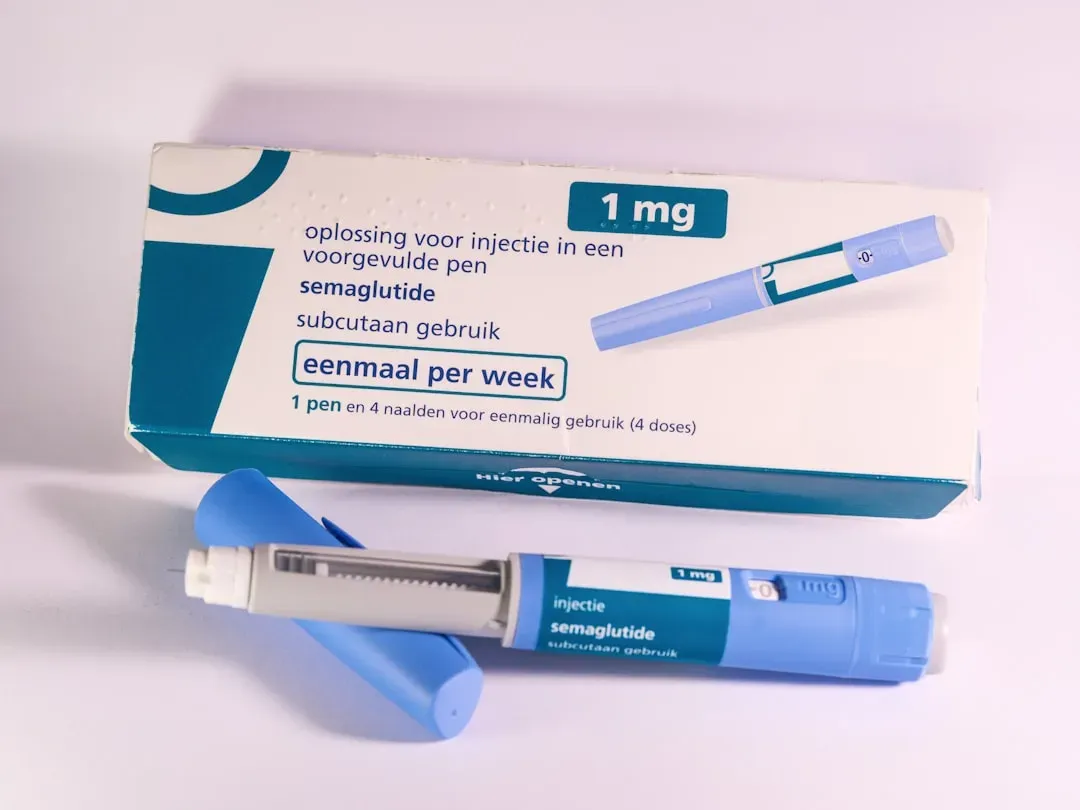
Peptide Protocol Comparison: Key Characteristics and Administration Schedules
| Peptide Type | FDA Approval Status | Injection Frequency | Dose Escalation | Cycling Pattern | Typical Duration |
|---|---|---|---|---|---|
| Semaglutide (GLP-1 agonist) | FDA approved (Wegovy) | Weekly | 0.25mg → 2.4mg over 16 weeks | Continuous | 12-52 weeks |
| Tirzepatide (GLP-1/GIP agonist) | FDA approved (2023) | Weekly | 2.5mg → 15mg escalation | Continuous | 12-52 weeks |
| CJC-1295/Ipamorelin (GH secretagogues) | Not FDA approved | 2-6 times per week | Varies by protocol | 5 days on, 2 days off | 12-72 weeks |
| Ipamorelin alone (GH secretagogue) | Not FDA approved | Daily or 5x weekly | Gradual titration | 5 days on, 2 days off | 12-72 weeks |
GLP-1 Agonist Protocols (Semaglutide and Tirzepatide)
Semaglutide protocols begin at 0.25mg injected subcutaneously once weekly, escalating every four weeks through 0.5mg, 1.0mg, 1.7mg, and finally 2.4mg at week 16. This five-step titration reduces nausea and vomiting that occur when starting at higher doses. Clinical trials showed mean weight loss of 14.9% over 68 weeks at the 2.4mg maintenance dose (according to the STEP 1 trial).
Tirzepatide follows a similar escalation pattern starting at 2.5mg weekly, increasing by 2.5mg increments every four weeks until reaching 5mg, 10mg, or 15mg depending on tolerance and results. The SURMOUNT-1 trial demonstrated dose-dependent weight reductions ranging from 15% at the 5mg dose to 20.9% at 15mg over 72 weeks.
Injection timing remains flexible with GLP-1 agonists since their half-lives extend 5-7 days. Most users inject on the same day each week, choosing mornings to minimize sleep disruption if nausea occurs.
Growth Hormone Peptide Protocols (CJC-1295/Ipamorelin)
CJC-1295 paired with ipamorelin represents the most common growth hormone secretagogue protocol for body composition changes. Typical dosing ranges from 200-300mcg of each peptide injected subcutaneously, administered either once daily before bed or split into morning and evening doses five days per week with two consecutive rest days.
Timing matters significantly here. Evening injections align with your natural growth hormone pulse that occurs 60-90 minutes after sleep onset, potentially amplifying the peptides' effects. Some protocols use morning doses on an empty stomach to leverage the fasting state's natural growth hormone elevation.
Cycling prevents receptor downregulation. The standard five-on, two-off pattern maintains receptor sensitivity, though some practitioners recommend longer cycles such as 12 weeks on followed by 4 weeks off for protocols extending beyond six months.
Combination Protocols and Stacking Considerations
Combining GLP-1 agonists with growth hormone peptides creates additive mechanisms: appetite suppression plus enhanced lipolysis and lean mass preservation. However, stacking increases monitoring requirements and side effect risks, particularly in adults over 50 where multiple medications may already be present.
When combining peptides, inject them at different sites and times. Give GLP-1 agonists in the morning and growth hormone peptides in the evening to separate their peak activity windows.
Honestly, combination protocols suit experienced users who've completed single-peptide protocols first and understand their individual response patterns.
Step-by-Step Injection Protocol: Preparation, Technique, and Safety
Proper injection technique prevents complications including infection, lipohypertrophy (fatty lumps at injection sites), and inconsistent absorption that undermines your protocol's effectiveness. The process becomes routine after the first few injections, but starting with meticulous attention to detail establishes habits that serve you throughout treatment.
Reconstitution and Storage Requirements
Lyophilized (freeze-dried) peptides require reconstitution with bacteriostatic water before use. Remove both the peptide vial and bacteriostatic water from refrigeration 10-15 minutes before mixing to bring them to room temperature, which reduces bubble formation.
Draw your calculated volume of bacteriostatic water into a syringe, then inject it slowly down the inside wall of the peptide vial rather than directly onto the powder. Swirl gently, never shake, to dissolve the powder completely.
Store reconstituted peptides at 36-46°F (2-8°C) in your refrigerator, never in the freezer. Most peptides remain stable for 28-60 days after reconstitution, though specific timeframes vary by compound. Label your vial with the reconstitution date to track freshness.
Injection Site Selection and Rotation Strategy
The abdomen provides the most consistent absorption and the largest injection area, making it the preferred site for most users. Choose areas at least two inches away from your navel in any direction.
Divide your abdomen into quadrants and rotate through them systematically. This four-site rotation prevents lipohypertrophy that develops when repeatedly injecting the same spot.
Alternative sites include the outer thigh (middle third of the anterior or lateral surface) and the back of the upper arm (though this requires assistance or unusual flexibility).
Proper Subcutaneous Injection Technique
Clean your chosen injection site with an alcohol wipe using circular motions from the center outward. Allow the area to air dry completely, injecting through wet alcohol causes stinging and increases infection risk.
Pinch a fold of skin between your thumb and forefinger, creating a raised area about one inch wide. Insert the needle at a 45-90 degree angle depending on your subcutaneous fat thickness (45 degrees for leaner individuals, 90 degrees for those with more adipose tissue).
Inject the solution slowly over 5-10 seconds, then wait an additional 5 seconds before withdrawing the needle to prevent medication from leaking back out. To be fair, some bleeding or bruising occurs occasionally despite perfect technique, this doesn't indicate you've done anything wrong.
Safe Disposal and Storage Between Doses
Place used needles and syringes immediately into an FDA-cleared sharps container, never into household trash or recycling bins. When your sharps container reaches the fill line (typically three-quarters full), seal it according to the manufacturer's instructions. Most communities offer sharps disposal through pharmacies, hospitals, or hazardous waste collection sites.
Monitoring Your Protocol: What to Track and When to Adjust
Systematic monitoring transforms peptide therapy from guesswork into data-driven optimization. The metrics you track reveal whether your protocol is working, identify emerging side effects before they become serious, and provide objective criteria for dose adjustments that subjective assessment misses.

Medical Supervision and Monitoring Requirements Throughout Peptide Protocols
| Protocol Phase | Baseline Requirements | Monitoring Frequency | Key Metrics to Track | Follow-up Actions |
|---|---|---|---|---|
| Pre-Treatment | Metabolic panel, lipid profile, hemoglobin A1c, thyroid function | One-time baseline | Cardiovascular health, metabolic status, contraindications | Establish baseline comparison points |
| Initial Phase (Weeks 1-12) | All baseline tests completed | Monthly office visits | Body composition, side effects, metabolic markers, injection tolerance | Dose adjustments, side effect management |
| Stabilization Phase (Weeks 13-24) | Baseline data available | Bi-monthly check-ins | Weight loss progress, metabolic response, medication tolerance | Protocol modifications if needed |
| Maintenance Phase (Beyond 24 weeks) | Established baseline data | Quarterly monitoring | Long-term efficacy, metabolic markers, adverse effects | Continuation or protocol adjustment decisions |
Essential Metrics and Tracking Frequency
Weigh yourself at the same time each day under identical conditions, first thing in the morning after urinating, before eating or drinking, wearing minimal clothing. Daily weights fluctuate 2-4 pounds due to hydration status and digestive contents, so focus on the weekly average rather than day-to-day changes.
Measure waist circumference at your navel level every two weeks using a flexible tape measure. This captures visceral fat loss that sometimes precedes scale changes, particularly with growth hormone peptides that promote body recomposition rather than pure weight loss.
Monitor blood pressure weekly if you're over 50 or have hypertension history. Check fasting blood glucose monthly using a home glucose meter, this matters especially for adults with prediabetes or metabolic syndrome, as peptide therapy should improve rather than worsen glucose control.
Common Side Effects and Management Strategies
Nausea affects 40-50% of GLP-1 agonist users during dose escalation phases, though it typically subsides within 2-3 weeks at each new dose level (according to STEP trial safety data). Eating smaller, more frequent meals rather than three large meals reduces symptom severity. Avoid high-fat foods that slow gastric emptying further, and stay upright for 30 minutes after eating.
Injection site reactions, redness, swelling, or itching, occur in approximately 10-15% of users across all peptide types. Applying ice before injection numbs the area and constricts blood vessels, reducing both discomfort and reaction intensity.
Constipation develops in 20-30% of GLP-1 users due to slowed gut motility. Increase water intake to 80-100 ounces daily, add fiber gradually through vegetables rather than supplements (which can worsen bloating), and consider magnesium citrate 300-400mg before bed as a gentle motility aid.
Here's the thing: persistent side effects lasting beyond three weeks at a stable dose warrant dose reduction or protocol modification.
When to Adjust Dosing or Modify Your Protocol
Increase your dose according to the established escalation schedule only if you're tolerating the current dose well with minimal side effects. Weight loss plateaus don't automatically justify dose increases, plateaus lasting 3-4 weeks are normal as your body adjusts to new metabolic setpoints.
Reduce your dose by one step if you experience persistent nausea affecting your ability to maintain adequate nutrition, repeated episodes of vomiting, or severe fatigue that impairs daily function.
I had a patient last year who pushed from 0.5mg to 1.0mg of semaglutide after just two weeks because her initial 3-pound loss felt 'too slow'—within 72 hours, she was so nauseous she couldn't keep down her morning protein shake, and we spent the next month re-establishing tolerance at 0.25mg. That aggressive escalation cost her six weeks of progress versus the four-week protocol I'd originally mapped, a lesson in trusting the titration timeline that I now share in every initial consultation.
Red Flags Requiring Immediate Medical Attention
Stop injections and contact your provider immediately if you develop severe abdominal pain that persists beyond a few hours, particularly if it radiates to your back, this may indicate pancreatitis, a rare but serious complication occurring in approximately 0.2% of GLP-1 agonist users.
Seek emergency care for signs of allergic reaction including difficulty breathing, throat swelling, widespread rash, or rapid heart rate developing within minutes to hours after injection. Severe dehydration symptoms, dark urine, dizziness when standing, confusion, require urgent evaluation, especially in older adults where dehydration tolerance decreases.
Maximizing Results: Lifestyle Integration and Long-Term Protocol Success
Peptide protocols amplify the results of sound nutrition and movement practices rather than replacing them. Clinical trials demonstrating 15-21% weight loss included lifestyle interventions, reduced calorie intake and increased physical activity, alongside peptide therapy.
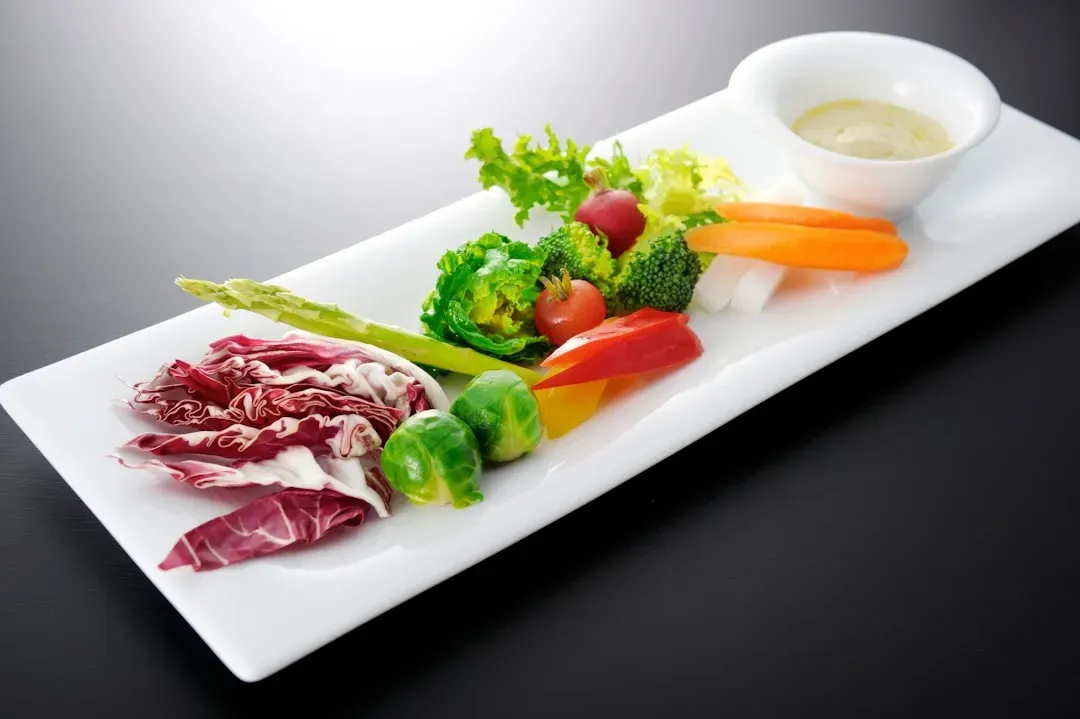
The appetite suppression from GLP-1 agonists creates an opportunity window for establishing sustainable eating patterns. You're less driven by cravings and hunger, making it easier to choose nutrient-dense foods and appropriate portions. This window doesn't last forever, most users report appetite effects diminishing somewhat after 6-9 months even while maintaining their dose.
Use this period to build habits that persist after you complete your protocol. Focus on protein intake of 0.7-1.0 grams per pound of target body weight to preserve lean mass during weight loss. Prioritize resistance training 2-3 times weekly for the same reason, peptides help you lose fat, but they don't prevent muscle loss if you're sedentary and under-eating protein.
A 2021 analysis published in Obesity examining 1,961 patients on semaglutide found that those who combined the medication with structured lifestyle interventions maintained 89% of their weight loss at 68 weeks, compared to 72% maintenance in the medication-only group. The difference became more pronounced after treatment cessation—participants who had established resistance training routines during active treatment regained an average of 5.6 kg over the following year, while those without structured exercise regained 11.6 kg. Notably, the study identified a protein intake threshold effect: subjects consuming below 0.6 grams per pound of body weight lost 39% more lean muscle mass than those meeting the 0.8-1.0 gram target, despite identical total weight loss numbers.
Plan your exit strategy before starting. Most peptide protocols aren't intended for indefinite use, though some individuals transition to maintenance doses after achieving initial goals. Weight regain occurs in 40-60% of users who stop peptides without transitioning to maintenance strategies.
The metabolic adaptations that helped you survive food scarcity throughout human evolution work against you during weight loss. Your body reduces energy expenditure, increases hunger hormones, and becomes more efficient at storing calories as you lose weight. Peptides temporarily override some of these adaptations, but they resurface when you stop treatment unless you've established compensatory behaviors.
Long-term success requires accepting that maintaining a lower body weight demands ongoing attention to nutrition and activity. Look, this isn't failure of willpower, it's biology. Peptide protocols give you a powerful tool for achieving initial weight loss, but they work best when integrated into a comprehensive approach that includes the behavioral and lifestyle components that sustain results.
"The biology of weight loss is fundamentally different from the biology of weight maintenance," says Dr. Michael Schwartz, Professor of Medicine and Director of the Diabetes and Obesity Center of Excellence at the University of Washington. "When you lose weight, your body activates multiple compensatory mechanisms—increased hunger, reduced metabolic rate, and enhanced metabolic efficiency—that persist long after the weight loss phase ends. Successful maintenance requires acknowledging these biological realities and implementing sustained behavioral strategies to counteract them."
Consider peptide therapy as one phase in a longer journey rather than a complete solution. The protocols detailed here provide the technical framework for safe and effective use, but your commitment to the monitoring, lifestyle integration, and long-term planning determines whether you'll maintain the improvements you achieve during active treatment.
Related Articles
- Complete Guide to Peptides for Weight Loss and Fat Burning
- Best Peptides for Fat Loss: AOD-9604, CJC-1295 & More
- Best Peptides for Testosterone: Ipamorelin, CJC-1295, GHRP-6
- Peptides for Sleep: DSIP, Epithalon, and Sleep Optimization
- Best Peptides for Recovery: Post-Workout Healing & Repair
- Best Peptides for Muscle Growth: BPC-157, TB-500, Ipamorelin & More
Frequently Asked Questions
How long does a typical peptide weight loss protocol last?
Most peptide protocols run between 12-72 weeks depending on the peptide type and individual goals. GLP-1 agonists like semaglutide typically require longer treatment periods (12-52 weeks or more), while growth hormone peptide protocols may cycle on 5-days-on, 2-days-off patterns. Your provider will determine the optimal duration based on your baseline testing and response to treatment.
Do I need a prescription to start peptide injections for weight loss?
Yes, peptide protocols require physician oversight and prescription. FDA-approved peptides like semaglutide require a doctor's prescription, while other peptides may be sourced through qualified practitioners in functional medicine or age management practices. Always verify your provider is properly trained in peptide therapy rather than using a general practitioner unfamiliar with dosing protocols.
What baseline tests should I get before starting peptide therapy?
Before beginning any peptide protocol, your provider should order comprehensive metabolic panels, lipid profiles, hemoglobin A1c, and thyroid function tests. These baseline measurements help identify contraindications and provide comparison points for monitoring throughout your treatment to ensure safety and efficacy.
Why does semaglutide start at a low dose instead of going straight to 2.4mg?
Semaglutide protocols begin at 0.25mg weekly and escalate every four weeks through five dose increases to reach the 2.4mg maintenance level. This gradual escalation allows your gastrointestinal system to adapt and reduces side effects like nausea, while also building therapeutic drug levels in your body for optimal results.
What's the difference between GLP-1 agonists and growth hormone peptides for weight loss?
GLP-1 agonists like semaglutide require weekly injections with gradual dose escalation and work by suppressing appetite. Growth hormone secretagogues like CJC-1295/ipamorelin require multiple injections per week using cycling patterns (5-days-on, 2-days-off) to prevent receptor desensitization and stimulate natural growth hormone release.
How often should I have medical check-ins while on a peptide protocol?
During the first three months of treatment, monthly follow-ups are standard to allow for dose adjustments and side effect management. After your protocol stabilizes, quarterly monitoring becomes the standard schedule for most peptide therapies to track progress and metabolic markers.
Can I combine different peptides together, or should I use just one?
The article mentions combination protocols and stacking considerations exist, but specific guidance on combining peptides requires individualized medical supervision. Your qualified peptide therapy provider can determine whether stacking peptides is appropriate for your situation based on your baseline testing and treatment goals.
What should I do if I experience side effects during my peptide protocol?
Track your side effect patterns and report them to your provider at scheduled check-ins, as they can adjust your dosing or modify your protocol based on objective data. Seek immediate medical attention if you experience red flag symptoms, though the article notes common side effects can typically be managed through dose adjustments and proper monitoring.