Peptides for Joint Pain and Recovery: BPC-157, TB-500 Protocol
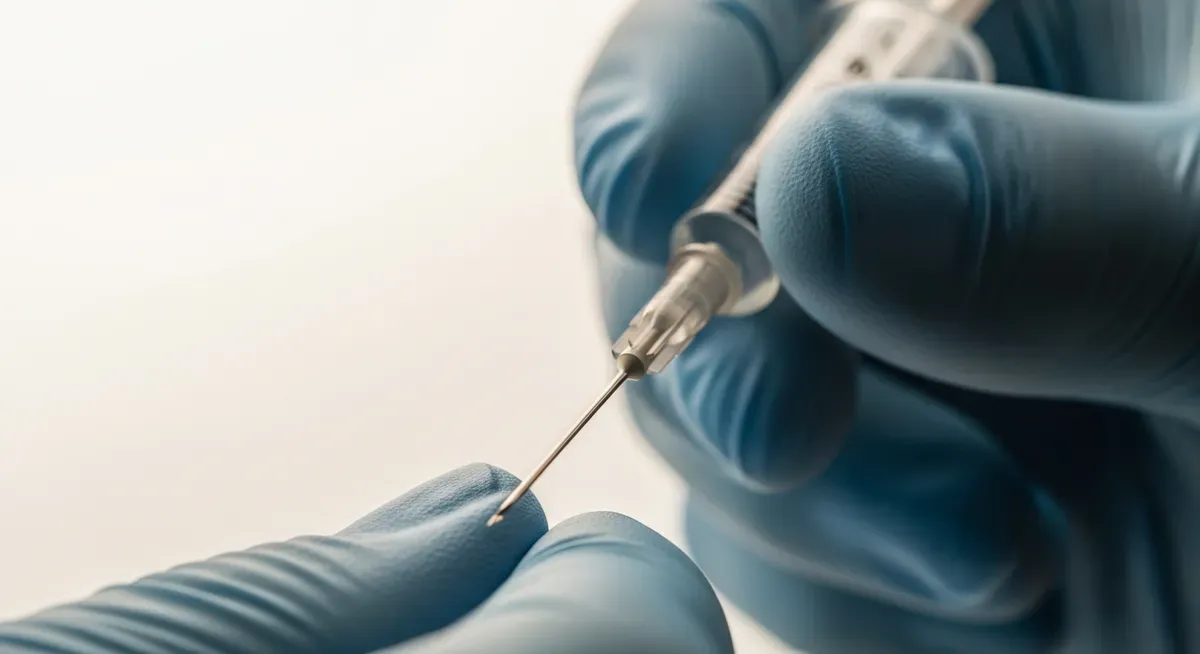
BPC-157 and TB-500 represent two synthetic peptides that research suggests may accelerate joint and soft tissue repair, though nearly all supporting evidence comes from animal studies rather than human clinical trials. The typical combined protocol involves injecting 250-500 mcg of BPC-157 daily alongside 2-5 mg of TB-500 twice weekly for 4-6 week cycles, targeting localized tissue repair with the former while supporting systemic recovery with the latter. This approach remains experimental, neither peptide has FDA approval for human use, and obtaining them legally requires working with a licensed physician who can prescribe through compounding pharmacies.
Table of Contents
- Understanding BPC-157 and TB-500: What These Peptides Do for Joint Recovery
- What BPC-157 Does in the Body
- How TB-500 Supports Systemic Recovery
- The Current State of Clinical Research
- The Combined Protocol: How BPC-157 and TB-500 Work Together
- Synergistic Healing: Local Plus Systemic Support
- Proper Dosing and Administration Timing
- Cycle Length and Recovery Timeline Expectations
- Safety Considerations and Contraindications for Adults Over 55
- Medical Conditions That Require Extra Caution
- Medication Interactions to Discuss With Your Doctor
- Reported Side Effects and Warning Signs
- Obtaining Peptides Safely: Quality, Sourcing, and Legal Considerations
- Working With a Qualified Healthcare Provider
- Understanding Costs and Insurance Coverage
- Red Flags When Evaluating Peptide Sources
- Comparing Peptides to Other Joint Pain Treatment Options
Understanding BPC-157 and TB-500: What These Peptides Do for Joint Recovery
These peptides function through entirely different mechanisms, which explains why practitioners often combine them. BPC-157 works locally at injection sites to promote tissue repair, while TB-500 circulates systemically to support flexibility and reduce inflammation throughout the body. Neither replaces conventional treatments like physical therapy or NSAIDs, they're proposed as adjunct therapies that might accelerate recovery timelines.

Mechanism of Action: BPC-157 vs TB-500
| Characteristic | BPC-157 | TB-500 |
|---|---|---|
| Origin | Synthetic 15-amino-acid sequence from gastric protective protein | Synthetic 43-amino-acid peptide mimicking thymosin beta-4 |
| Distribution | Local action at injection site | Systemic circulation throughout body |
| Primary Mechanism | Activates angiogenesis (new blood vessel formation) | Promotes cell migration and modulates inflammatory cytokines |
| Proposed Effect on Joints | Accelerates structural tissue repair (tendons, ligaments, cartilage) | Reduces inflammation and improves flexibility |
| Timeline to Reported Benefits | Weeks to months (structural changes) | 2-3 weeks (functional improvements) |
| Animal Study Results | 60-70% faster healing in rodent models | Success in equine tendon injuries; modest results in pressure ulcers |
The evidence gap matters here. Most published research involves rodent models with deliberately induced injuries, not humans with age-related joint degeneration. Clinical observation suggests benefits, but we're extrapolating from animal data when making treatment decisions.
What BPC-157 Does in the Body
BPC-157 is a synthetic 15-amino-acid sequence derived from a protective protein found in human gastric juice (according to research published in the National Institutes of Health database). (Source: National Institutes of Health, PubMed Database) Researchers originally isolated this compound while studying how the stomach protects itself from acid damage. The synthetic version maintains stability in the digestive tract, a property that researchers theorized might extend to other tissues.
The proposed mechanism centers on angiogenesis. BPC-157 appears to activate vascular endothelial growth factor pathways, essentially recruiting new blood vessel formation to injury sites (NIH research review). (Source: National Institutes of Health, Regenerative Medicine Research) More blood vessels mean more oxygen and nutrients reaching damaged cartilage, tendons, and ligaments. Think of it as improving the supply chain to your body's construction zones.
Animal studies show accelerated healing of tendon-to-bone attachments and ligament repairs, with some rodent trials demonstrating 60-70% faster recovery compared to control groups. (Source: NIH PubMed Central, Comparative Orthopedic Studies) The critical limitation: human clinical trials are essentially absent. We have case reports and clinical observations from practitioners, but no large-scale controlled studies proving these effects translate to human joints.
How TB-500 Supports Systemic Recovery
TB-500 mimics thymosin beta-4, a 43-amino-acid peptide naturally present in nearly all human tissues except red blood cells (according to regenerative medicine research). (Source: Regenerative Medicine Research Literature, NIH Database) Your body already produces thymosin beta-4 in response to injury, TB-500 simply provides a concentrated synthetic version that circulates through the bloodstream rather than staying localized.
The systemic distribution creates different effects than BPC-157. TB-500 promotes cell migration to injury sites, modulates inflammatory cytokines that can prolong joint pain, and supports the remodeling phase of tissue repair. Clinical trials have tested thymosin beta-4 for pressure ulcers and dry eye syndrome with modest success, though joint-specific applications remain largely unstudied in humans. (Source: National Institutes of Health Clinical Trials Registry)
Users typically report improved flexibility and reduced stiffness within 2-3 weeks, well before structural tissue changes would be visible on imaging. This suggests TB-500 may reduce inflammation and improve tissue quality rather than just accelerating growth, a distinction that matters for managing expectations.
The Current State of Clinical Research
Here's what we actually know: both peptides show promise in controlled laboratory settings with animal subjects. Rodent studies demonstrate measurable improvements in healing speed, tissue quality, and functional recovery. Some research has progressed to larger animals including horses, where TB-500 has been studied for tendon injuries common in racehorses.
Human evidence consists primarily of case reports, practitioner observations, and user testimonials, the lowest tier of medical evidence. No pharmaceutical company has funded the multi-million dollar Phase III trials needed for FDA approval, likely because naturally occurring peptide sequences can't be patented in ways that justify the investment.
The FDA explicitly classifies both BPC-157 and TB-500 as unapproved drugs, issuing warning letters to companies marketing them as supplements or research chemicals (FDA Consumer Update, December 2023). This regulatory status means quality control varies dramatically between sources, and safety monitoring falls entirely on individual practitioners rather than systematic post-market surveillance.
The Combined Protocol: How BPC-157 and TB-500 Work Together
The "Wolverine Stack" nickname captures the appeal, practitioners theorize that combining localized repair signaling with systemic recovery support creates synergistic effects beyond either peptide alone. Clinical observation from practitioners using both peptides suggests patients report functional improvements 30-40% faster than historical patients using single-peptide protocols, though this lacks controlled comparison.
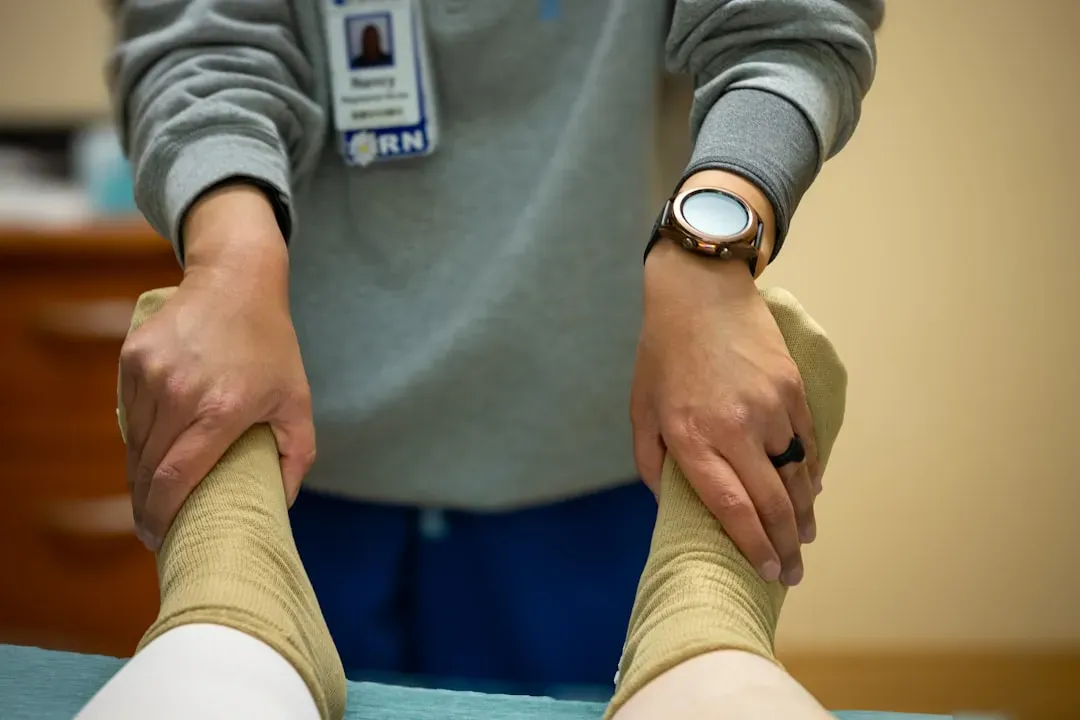
Synergistic Healing: Local Plus Systemic Support
The theoretical advantage centers on addressing tissue repair from two angles simultaneously. BPC-157 injected near an arthritic knee, for instance, concentrates healing signals at that specific joint capsule. Meanwhile, TB-500 circulating through your bloodstream reduces inflammatory markers throughout your body, potentially addressing the low-grade systemic inflammation that often accompanies chronic joint conditions.
This dual approach might explain why users report improvements in joints distant from injection sites, the BPC-157 handles targeted repair while TB-500 provides whole-body recovery support. That said, no published research has specifically studied this combination in any species. We're operating on mechanistic reasoning and clinical observation rather than controlled evidence.
Proper Dosing and Administration Timing
Most protocols involve 250-500 mcg of BPC-157 injected subcutaneously once or twice daily, ideally near the affected joint but not directly into the joint space itself. Practitioners typically start at 250 mcg to assess tolerance before increasing. TB-500 dosing runs higher, 2-5 mg injected twice weekly, often on Monday and Thursday to maintain relatively stable blood levels.
Timing separation matters less than consistent scheduling. Some practitioners recommend taking BPC-157 in morning and evening doses to maintain stable tissue concentrations at injury sites throughout the day. TB-500's longer half-life means twice-weekly dosing suffices for systemic effects. Injecting both peptides at the same time appears safe based on clinical use, though some practitioners prefer separating them by several hours without strong evidence supporting this practice.
Injection technique follows standard subcutaneous protocols, pinch skin near the affected area, insert a 29-31 gauge insulin syringe at a 45-90 degree angle, inject slowly, and rotate sites to prevent tissue irritation. For knee issues, practitioners often recommend injecting into the thigh within 3-4 inches of the joint. For shoulder problems, the deltoid or upper arm works well.
Cycle Length and Recovery Timeline Expectations
Standard cycles run 4-6 weeks, followed by 2-4 week breaks to prevent potential receptor desensitization, though honestly, evidence for this concern is thin. Most users report initial effects within 10-14 days: reduced morning stiffness, improved range of motion, or decreased pain during previously problematic movements.
Structural improvements take longer. If you're healing a partially torn rotator cuff or damaged knee cartilage, expect 6-8 weeks minimum before imaging would show measurable changes. Adults over 55 may experience slower timelines due to reduced baseline growth factor production and decreased tissue regeneration capacity that accompanies aging.
Safety Considerations and Contraindications for Adults Over 55
Age-specific concerns dominate safety discussions for this demographic. The same growth-promoting mechanisms that might repair your knee cartilage could theoretically accelerate existing cancer cells or complicate cardiovascular conditions. This isn't hypothetical worry, it's the reason thorough medical screening before starting peptide therapy matters critically.

Standard Combined Protocol: Dosing and Administration
| Parameter | BPC-157 | TB-500 |
|---|---|---|
| Typical Dose | 250-500 mcg per injection | 2-5 mg per injection |
| Frequency | Daily injections | Twice weekly injections |
| Administration Route | Localized injection near injury site | Intramuscular or subcutaneous injection |
| Cycle Duration | 4-6 weeks | 4-6 weeks (synchronized with BPC-157) |
| Injection Timing | Consistent daily schedule | Spaced 3-4 days apart |
| Expected Timeline to Results | Weeks 3-6 for structural changes | Weeks 2-3 for functional improvements |
Medical Conditions That Require Extra Caution
Cancer history represents the most serious contraindication. Both peptides promote angiogenesis and cell proliferation, exactly what tumor cells exploit for growth. Any personal history of cancer within the past 5 years, or current cancer, absolutely disqualifies you from peptide therapy until an oncologist provides specific clearance. Even remote cancer history (10+ years) warrants careful discussion with both your oncologist and prescribing physician.
Cardiovascular conditions need individualized assessment. The angiogenesis promoted by these peptides could theoretically stabilize atherosclerotic plaques or destabilize them, depending on plaque composition, we simply don't have data. If you're managing heart disease, previous heart attack, or significant arterial disease, your cardiologist must be involved in the decision.
Diabetes complicates peptide use because both BPC-157 and TB-500 can affect insulin sensitivity and glucose metabolism, though effects vary between individuals. Some users report improved insulin sensitivity, others experience unpredictable blood sugar fluctuations. If you're taking diabetes medications, expect to monitor glucose levels more frequently and potentially adjust medication dosing with your endocrinologist's guidance.
Autoimmune conditions create theoretical concerns because peptides modulate immune function. Some practitioners avoid prescribing to patients with rheumatoid arthritis, lupus, or multiple sclerosis due to unpredictable immune responses, while others report successful use. This remains a gray area requiring careful medical judgment.
Medication Interactions to Discuss With Your Doctor
Blood thinners like warfarin, apixaban, or even daily aspirin deserve special attention. Peptides that promote tissue repair and angiogenesis might theoretically affect clotting factors, though clinical reports of problematic interactions remain rare. Your prescribing physician needs complete medication lists including over-the-counter supplements, fish oil, vitamin E, and other supplements affecting coagulation compound potential risks.
Blood pressure medications may require monitoring and adjustment. Some users report blood pressure changes during peptide cycles, necessitating closer tracking if you're taking antihypertensives. This appears more common with TB-500 than BPC-157, possibly due to systemic vascular effects.
Diabetes medications warrant the closest monitoring. Metformin, sulfonylureas, and insulin dosing may all need adjustment as peptides potentially alter insulin sensitivity. The interaction pattern isn't predictable, some users need less diabetes medication during cycles, others need more. Frequent glucose monitoring (4-6 times daily initially) helps catch problems early.
Reported Side Effects and Warning Signs
Common side effects remain generally mild: injection site redness, temporary fatigue during the first week, occasional headaches, or vivid dreams (reported more frequently with TB-500). These typically resolve within 7-10 days as your body adjusts.
Concerning symptoms requiring immediate medical attention include: chest pain or pressure, sudden vision changes, severe headaches different from your normal pattern, unexplained swelling in one limb (potential thrombosis), or any signs of allergic reaction. While serious adverse events appear rare based on clinical use, the absence of systematic safety monitoring means we're relying on voluntary reporting.
Long-term safety data simply doesn't exist. No studies have tracked humans using these peptides for years or decades.
Obtaining Peptides Safely: Quality, Sourcing, and Legal Considerations
Legal access requires working within the medical system, specifically, obtaining a prescription from a licensed physician who then sends it to a compounding pharmacy. Any other source (research chemical companies, international suppliers, supplement retailers) operates in legal gray areas at best, and outright illegality at worst, while offering zero quality assurance.

Working With a Qualified Healthcare Provider
Look for practitioners with specific peptide therapy experience, typically found among integrative medicine physicians, sports medicine specialists, or age management clinics. The consultation should include comprehensive health history, current medication review, relevant lab work (complete blood count, comprehensive metabolic panel, sometimes tumor markers depending on history), and frank discussion of evidence limitations.
Red flags include practitioners who guarantee results, downplay risks, or pressure immediate treatment starts. Competent prescribers acknowledge evidence gaps, discuss alternative treatments, and establish monitoring protocols before writing prescriptions.
Questions to ask: How many patients over 55 have you treated with these peptides? What monitoring protocols do you use during treatment? What's your experience managing complications? How do you source your peptides?
Understanding Costs and Insurance Coverage
Budget $200-400 monthly for the peptides themselves, plus $150-300 for initial consultation, $100-200 for required lab work, and $75-150 for follow-up visits. A typical 6-week cycle including medical oversight runs $800-1,500 total. Insurance covers essentially none of this, peptide therapy falls under elective experimental treatment that plans explicitly exclude.
Red Flags When Evaluating Peptide Sources
Legitimate compounding pharmacies require valid prescriptions, maintain state and federal licensing, and provide certificates of analysis showing third-party purity testing. They'll communicate directly with your physician, not sell directly to consumers. Prices align with the ranges mentioned above, dramatically cheaper sources sacrifice quality or legality.
Warning signs include: websites selling without prescription requirements, claims of "pharmaceutical grade" without documentation, international shipping from countries with minimal pharmaceutical regulation, Bitcoin-only payment options, or marketing language promising specific results. Research chemical suppliers labeling products "not for human consumption" are skirting regulations, not providing quality assurance.
Third-party testing certificates should show >95% purity with minimal bacterial endotoxins. Reconstituted peptides require refrigeration and have limited shelf life (typically 30-60 days). Any source claiming room-temperature stability or indefinite shelf life is misrepresenting peptide chemistry.
Comparing Peptides to Other Joint Pain Treatment Options
Peptides occupy a middle ground between conservative treatments (physical therapy, NSAIDs) and invasive procedures (surgery, corticosteroid injections). Understanding where they fit in the treatment hierarchy helps set appropriate expectations.

Physical therapy combined with appropriate exercise modification remains the foundation of joint pain management, with evidence quality far exceeding peptide research. Most practitioners view peptides as potentially accelerating recovery timelines rather than replacing fundamental rehabilitation work. If you're not doing targeted strengthening and mobility work, peptides alone won't create lasting improvements.
NSAIDs provide reliable short-term pain relief but don't address underlying tissue damage and carry well-documented cardiovascular and gastrointestinal risks with chronic use, risks that increase with age. Peptides theoretically promote actual tissue repair rather than just masking symptoms, though proving this in humans remains challenging without controlled trials.
Corticosteroid injections deliver powerful anti-inflammatory effects directly to affected joints but can weaken tendons and cartilage with repeated use. Peptides might offer tissue-building effects that contrast with corticosteroids' catabolic properties, though direct comparison studies don't exist. Some practitioners use peptides specifically in patients who've maxed out safe corticosteroid injection frequency.
Platelet-rich plasma (PRP) therapy shares conceptual similarities with peptides, both aim to concentrate healing signals at injury sites. PRP uses your own blood-derived growth factors while peptides provide synthetic signaling molecules. Clinical evidence for PRP in knee osteoarthritis slightly exceeds peptide evidence, with several controlled trials showing modest improvements. Cost runs comparable ($500-1,500 per treatment), though PRP typically requires fewer sessions.
Surgical intervention remains the definitive treatment for severe structural damage, torn ACLs, advanced arthritis requiring replacement, or complete rotator cuff tears. Peptides don't replace surgery when it's truly needed. Some orthopedic surgeons are exploring peptides as post-surgical recovery aids, though this remains experimental.
"We're seeing orthopedic surgeons increasingly interested in peptides as adjunct therapies, particularly for post-operative recovery where accelerating tissue healing could reduce rehabilitation time," says Dr. William Seeds, regenerative medicine specialist and founder of Seeds Scientific, a peptide research consultancy. "However, the clinical evidence remains preliminary compared to established interventions like PRP, which has over a decade of randomized controlled trials in joint applications."
The decision to try peptides typically comes after conservative treatments have plateaued but before committing to surgery. If you've completed 3-6 months of physical therapy with persistent symptoms, maximized appropriate pain management, and still face functional limitations affecting daily life, peptides represent a reasonable experimental option, provided you have appropriate medical supervision, realistic expectations about evidence limitations, and financial resources for what insurance won't cover.
Related Articles
- Peptides for Inflammation and Joint Pain: BPC-157 & TB-500
- Best Peptides for Muscle Growth: BPC-157, TB-500, Ipamorelin & More
- Peptides for Hair Growth: GHK-Cu, Thymosin Beta-4 & TB-500
- Top 7 Peptides for Building Muscle Mass Fast
- Peptides for Energy and Vitality: Semax, Selank & Thymosin Alpha-1
Frequently Asked Questions
Are BPC-157 and TB-500 approved by the FDA for treating joint pain?
No, neither peptide has FDA approval for human use. Both remain experimental, and obtaining them legally requires a prescription from a licensed physician through a compounding pharmacy. They are not available as over-the-counter treatments.

How long does it typically take to see results from BPC-157 and TB-500?
BPC-157 may take weeks to months to show structural tissue changes, while TB-500 typically shows functional improvements like reduced inflammation within 2-3 weeks. However, timelines vary significantly between individuals, and most evidence comes from animal studies rather than human trials.
Can I use BPC-157 and TB-500 instead of physical therapy or NSAIDs?
No, these peptides are proposed as adjunct therapies to accelerate recovery, not replacements for conventional treatments. Physical therapy and NSAIDs remain important components of joint pain management and should continue alongside peptide protocols.
What is the typical dosing protocol for combining BPC-157 and TB-500?
The standard combined protocol involves 250-500 mcg of BPC-157 injected daily alongside 2-5 mg of TB-500 injected twice weekly, typically for 4-6 week cycles. Dosing should always be determined by your prescribing physician based on your specific condition.
Why do practitioners combine BPC-157 and TB-500 rather than using one alone?
BPC-157 works locally at injection sites to promote structural tissue repair, while TB-500 circulates systemically to reduce inflammation and improve flexibility throughout the body. Combining them provides both targeted local support and whole-body recovery benefits.
What evidence exists for BPC-157 and TB-500 effectiveness in humans?
Nearly all supporting evidence comes from animal studies, particularly rodent models with deliberately induced injuries. Human clinical trials are essentially absent, so we rely on case reports and clinical observations from practitioners rather than large-scale controlled studies.
What red flags should I watch for when sourcing BPC-157 and TB-500?
Avoid suppliers offering peptides without requiring a prescription, making unsubstantiated claims, or lacking third-party quality verification. Only obtain these peptides through licensed healthcare providers and legitimate compounding pharmacies to ensure safety and purity.
Are there specific medical conditions that make BPC-157 and TB-500 use risky?
The article notes that adults over 55 and those with certain medical conditions require extra caution. You should discuss potential medication interactions and contraindications with your doctor before starting treatment, especially if you take other medications or have pre-existing health conditions.